IGNITE
Ignite Newsletter: 2026 August
August 5, 2026
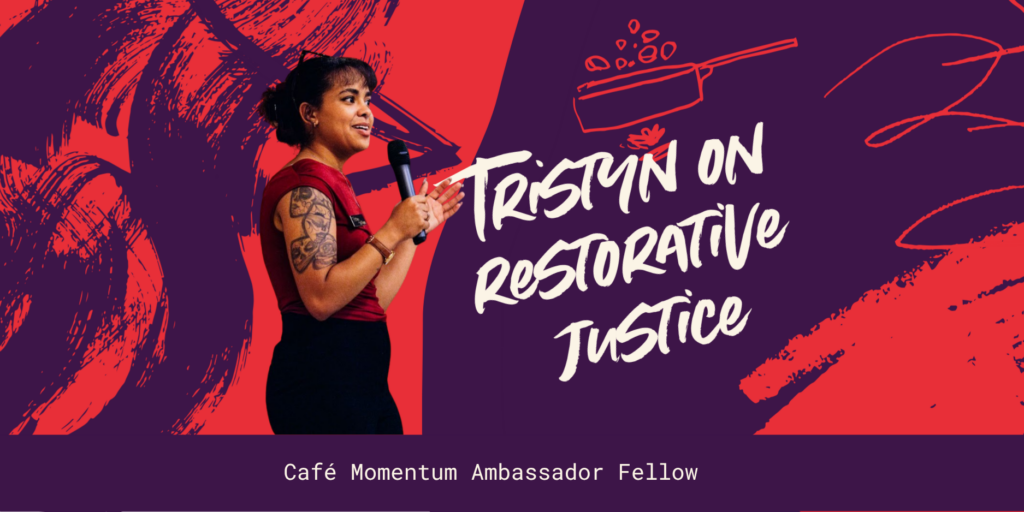
By Tristyn, Café Momentum Ambassador Fellow
This month, we turn toward restorative justice, a practice I wish younger me had found sooner. When I think back to the different points where I moved through the system, accountability meant something narrow: a charge, a room, a number attached to a case file. It never asked me to sit with the people my choices had touched, or to think through what repairing that harm might actually look like. It just asked me to disappear for a while and come back changed, without ever showing me how.
What restorative justice offers instead is a chance to be accountable by facing the harm, understanding it, and being given a real path to make it right, instead of being isolated behind bars until a court decides you’ve paid enough. That distinction matters more than people realize. Punishment can end a sentence. It rarely ends the story that got someone there in the first place.
For young people right now, this conversation is urgent. Detention beds are filling back up in states across the country, even though so many of the people I sat in a circle with, the youth, the mentors, the advocates I sat with through the Momentum program, already know that closed doors don’t build character. They just build silence. Restorative practices require something harder: that we look at the whole young person, the harm they caused, and the harm that shaped them, and build something out of all three.
FEATURED NEWS AND REFLECTIONS
The Promise and Limits of Restorative Justice for Youth. I know what it feels like to sit across from a judge who decides your future without ever being asked what actually happened to you or what it would take to make things right. Restorative justice flips that script, centering healing and repair instead of punishment for its own sake. When young people get a real seat at the table to face the harm they caused, they’re less likely to end up back in the system. Accountability sticks when it’s paired with dignity, not isolation. Café Momentum taught me that lesson long before I read the research.
Restorative Justice Diversion: A Better Way to Provide Meaningful Accountability for Youth. This matters because for a long time, the systems I moved through weren’t built to see me as someone capable of making things right. Only as someone who needed to be managed. Diversion through restorative justice does the opposite, it treats young people as capable of taking real responsibility outside of a courtroom. Every young person deserves a process that asks them to repair harm instead of simply get punishment.
The Competing Visions to Fix the Country’s Juvenile Justice Crisis. This reported piece shows the fork in the road the country is at right now: some jurisdictions double down on punishment, while others embrace restorative justice and diversion. In Ramsey County, Minnesota, prosecutors are now asking “Is this truly a criminal case?” before charging youth, looking for unmet needs like abuse or poverty rather than defaulting to the system.
MY STORY
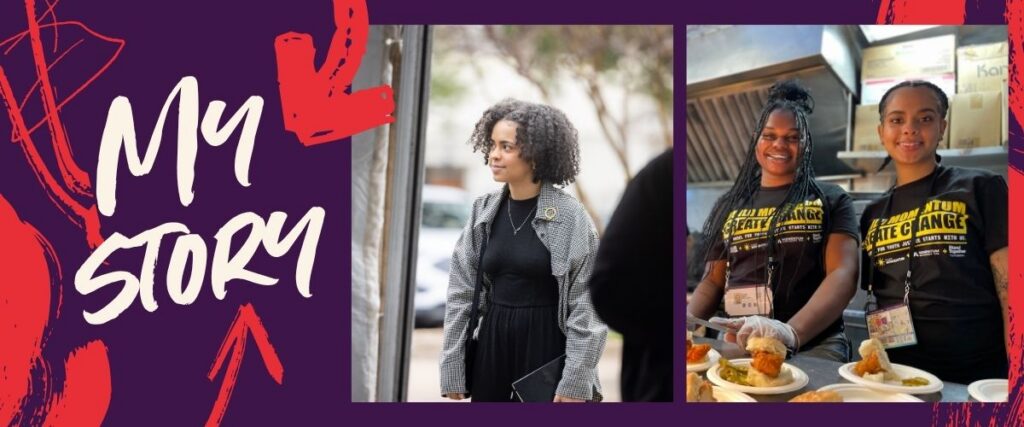
I spent time in the Dallas County Juvenile Detention more than once. For a long time, I believed accountability only had one shape: showing up in a courtroom, sitting in a cell until the system decided I’d paid enough, without anyone ever asking what happened to me or what repair could actually look like. Café Momentum changed that. It was the first time I felt like accountability could look like something other than punishment. It looked like circles and real conversations. People who wanted to understand the harm and help me find a way to make things right, instead of just handing down a sentence.
Today, I am an Ambassador Fellow, using my story to mentor youth who are moving through what I once moved through. I’m working toward a career in education so I can keep building spaces where young people are met with accountability that heals instead of accountability that isolates. This matters because so many young people are still handed punishment without ever being offered the chance to repair the harm they caused or to be seen as more than that harm. Young people deserve processes that ask them to grow, not systems that just ask them to disappear. I want to help build more spaces where restorative practices replace isolation as the first response to a young person in crisis. I believe accountability and healing were never meant to be separate; when we put them back together, that’s when real change starts.
GET INVOLVED
Restorative justice doesn’t happen because a policy paper exists. It happens because a community decides to build it. This month, we’re asking you to help us build it. Learn what restorative justice or diversion programs exist where you live, and if they don’t, ask your local schools, courts and elected officials why not. Advocate for the funding and expansion of restorative programs so more young people have access to real accountability instead of a cell. Support Café Momentum by donating, volunteering, or showing up as a mentor willing to sit in a circle with a young person and stay in it. Every conversation, every dollar and every person willing to believe repair is possible is a step toward a justice system that heals instead of one that just holds.