IGNITE
Ignite Newsletter: 2026 September
September 8, 2026
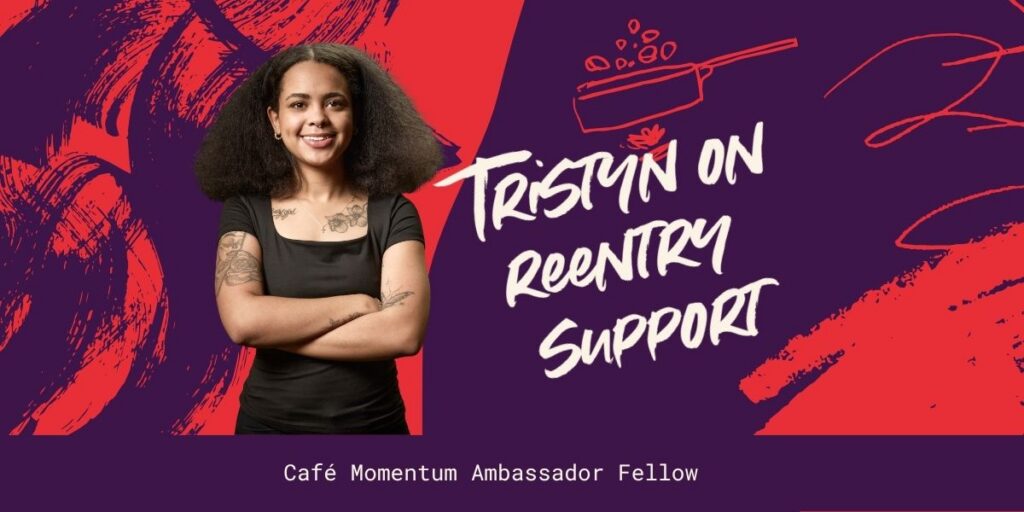
By Tristyn, Café Momentum Ambassador Fellow
This month, we turn toward reentry support, a theme that lives at the center of everything Café Momentum does through its case management model. I remember what it felt like to walk out of Dallas County Juvenile Detention and realize that surviving inside the system and rebuilding a life outside of it are two completely different battles. Nobody ever sat me down and explained how deeply that transition would affect me. I had to figure out school, work, and my identity as a young mother, all while carrying a label most people had already placed on me.
What reentry support offers is the thing that was missing for me: a bridge. Instead of leaving a young person to walk back into their community and figure it all out alone, real reentry support means someone can walk beside them through the challenge of finding stable housing, catching up in school, learning to trust people again, and relearning how to exist in a world that moved on without them. That kind of support is not extra. It is the piece that decides whether a second chance actually becomes a new chapter or another setback.
For young people right now, this matters urgently because reentry is often treated like the finish line instead of the starting line. The moment a young person walks out the door, it can feel like the system considers its job done, when really that is when the real work begins. Case management, the kind Café Momentum builds its programming around, is what turns release into an actual second chance instead of just an open door with nowhere to go.
FEATURED NEWS AND REFLECTIONS
What is reentry and why does it matter in Juvenile Justice? This matters because reentry was never just one moment for me, it was everything that came after: figuring out school, rebuilding relationships, learning to parent, and trying to prove to people who had already written me off that I was more than my file. Reentry touches education, physical health, mental health, and relationships all at once, and none of those pieces heal in isolation. When the system treats release as the finish line instead of the start of a coordinated process, young people are left to stitch all of that together on their own. Café Momentum’s case management model exists because someone finally understood that a young person cannot rebuild a life with only half of the pieces.
Learning life all over again: Reentry after long-term imprisonment This matters because even though I wasn’t gone for decades, I remember how disorienting it was to come back into a world that had kept moving without me. The people in this report describe frustration with something as basic as a cell phone or an online portal, small things most people never think twice about, but they become massive barriers when nobody has prepared you for them. Many participants said prison denied them access to the very programs that could have made reentry survivable, such as job training and education. That is the same gap Café Momentum tries to close, equipping young people with real skills and real preparation instead of sending them out the door and hoping they figure it out.
Expanding Access to Basic Reentry Services Will Improve Health, Well-Being, and Public Safety This matters because health and stability were never separate issues for me. They were the same issue. Someone reentering their community is more likely to fall below the poverty line and twice as likely to face food insecurity, and when basic needs like healthcare, nutrition, and housing go unmet, it becomes nearly impossible to focus on anything else, let alone staying out of the system. Expanding access to things like SNAP, TANF, and record expungement is not charity, it is the floor every young person deserves to stand on. Café Momentum understands that a young person cannot build a future on an empty stomach or an unanswered health need.
MY STORY
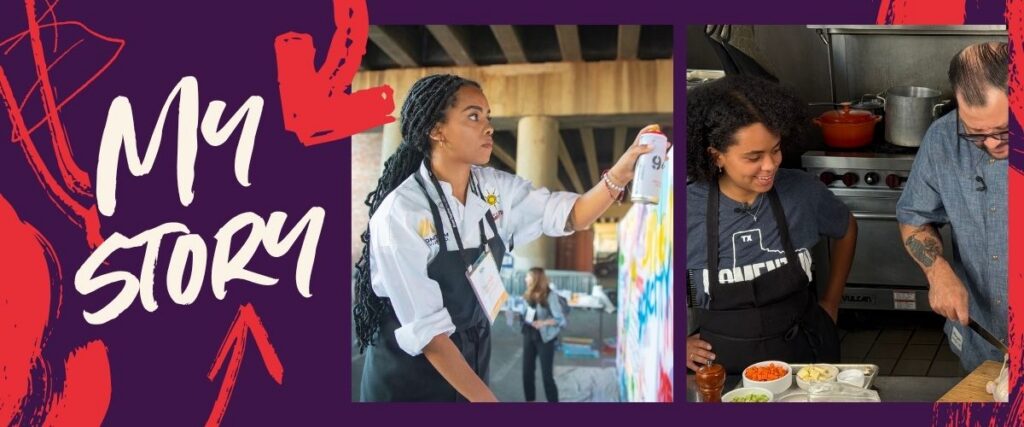
I spent time in Dallas County Juvenile Detention, and when I came home the last time, I was fifteen and pregnant, believing I was on my own to figure everything out. For a long time, I thought coming home was the hard part behind me, when really it was the beginning of a whole new set of challenges nobody had prepared me for. Café Momentum changed that. It was the first time I felt like someone had actually built a plan for what came next, case management, mentorship and real resources instead of just an open door. When my mom was diagnosed with cancer, my case manager was the one who helped me find the resources my family needed to get through it. That same case management connected me to parenting resources that taught me how to care for my son instead of guessing my way through motherhood alone. Today, I am an Ambassador Fellow, using my story to walk alongside young people who are navigating that same transition, and I am working toward a career in education so I can keep building the kind of support that meets young people at the door instead of leaving them to find their own way. This matters because so many young people are sent home with no plan, no resources, and no one checking on whether they actually make it. Young people deserve a real bridge back into their lives, not just a release date. I want to help build reentry support that treats coming home as the beginning of someone’s story, not the end of the system’s involvement. I believe that when a young person is met with a plan instead of a void, that is when reentry actually becomes a second chance.
GET INVOLVED
Reentry support does not happen by accident. It happens because people choose to show up for someone else’s second chapter. This month, we’re asking you to be part of that. Volunteer as a mentor for a young person coming home and navigating a world that has changed without them. Donate to Café Momentum’s case management program so more young people have a real plan waiting for them at the door instead of an empty one. Advocate for policies like automatic record expungement and expanded access to healthcare and food assistance so reentry does not mean starting from below zero. Every mentor, every dollar, and every voice raised for better reentry policy is one more reason a young person coming home gets to build a future instead of just surviving the transition.