IGNITE
Ignite Newsletter: 2026 February
February 13, 2026
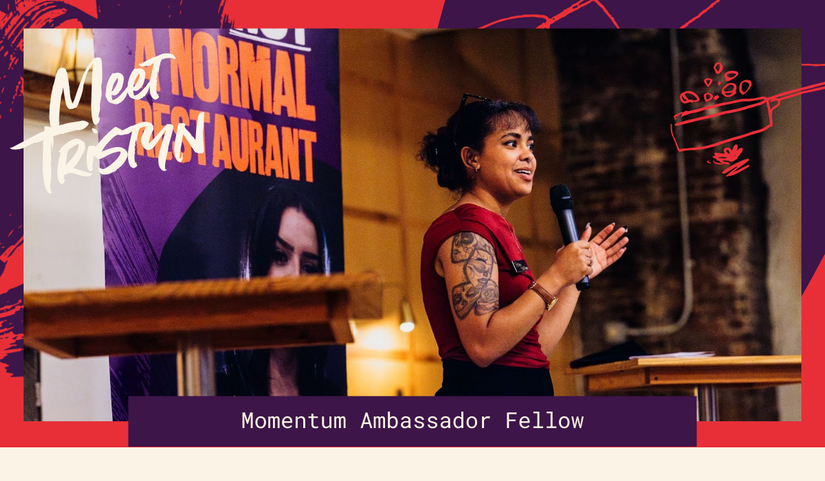
By Tristyn, Café Momentum Ambassador Fellow
As we honor Black History Month, I invite you all to explore the connection between Black History in America and youth incarceration. This month, we look at history not as something finished, but as something that is continuously shaping the lives of our young people today.
When I reflect on this issue, I think about the moments I’ve witnessed where potential was labeled as trouble, where cries for help were mistaken for defiance and where support came too late… or not at all. I’ve seen how easily young people can be defined by their worst moment instead of their full story, and how differently that story is often told depending on their race and background.
I’ve personally experienced the weight of how systems respond to Black and brown youth who are struggling, especially as a young Black woman myself, with punishment before understanding and isolation before healing. Too often, the environments meant to correct behavior end up reinforcing harm instead of restoring hope. Conversations that I have had in the presence of justice-involved youth, advocates and mentors through the Momentum program make it clear that juvenile detention conditions should not just be about ‘running’ a facility; we deserve an environment that is centered in dignity and around mental health, education, and giving young people a real chance to grow beyond their circumstances and shortcomings.
This matters not only to me but to all our communities nationwide right now, because our youth are still navigating systems that were not designed with compassion and humanity at their center. At a time when our youth’s mental health needs are rising, and communities are calling for more equitable treatment, we have to acknowledge Black history and its role in present-day justice outcomes. The patterns we see today are connected to policies and perceptions formed over generations in America; recognizing this connection is one of the first steps toward reform.
This month, I hope we approach this theme with honesty and care—listening closely to both my and other youth’s lived experiences, questioning what we assume, and imagining what youth justice could look like if restoration, safety and opportunity were truly the priorities.
FEATURED NEWS AND REFLECTIONS
Black Disparities in Youth Incarceration
I selected this article because it shows that unfair treatment and systemic inequities still influence how young people are stopped, charged, and locked up, often changing the course of their lives long after. When racial gaps in youth incarceration remain this wide, it damages trust in the justice system and makes it clear that reforms haven’t reached or protected every community the same way.
This matters because the sharp rise in female incarceration reveals how justice policies overwhelmingly affect women, families, and communities, not just men. Studying it helps uncover the root causes and systemic practices driving this growth so more targeted and equitable reforms can be made.
The Texas Juvenile Justice system is in a crisis; here’s how people are trying to help
I’m highlighting this article because even though only a small number of young people are sent to state facilities, those who are face serious safety and health risks that can leave long-term mental and physical scars. It highlights the system’s duty to protect its most vulnerable youth and the urgent need to improve detention conditions so their safety, dignity, and rights are truly respected.
MY STORY
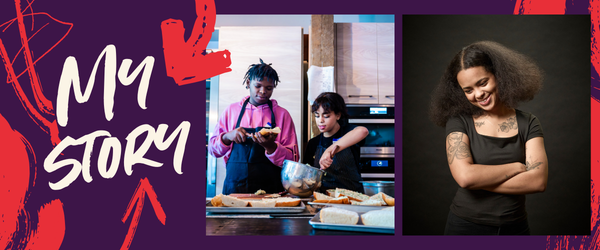
I spent time in Dallas County Juvenile Detention on more than one occasion, my last time being after I found out I was pregnant with my son. For a long time, I believed that my life was over. That I no longer had the option to dream big or pursue the finer things in life, like higher education or a real career, because I had to take care of my child as a 15-year-old young Black mom. Getting into the Café Momentum program changed that. It was the first time I felt I could breathe without fear of judgment or ridicule. I found a community and support system that made me feel loved and filled me with the confidence I needed to move forward and step out into the world I had come to shut myself off from.
Today, I am an Ambassador Fellow, using my story and experiences not only to mentor youth who find themselves in a position I once was in, but also to advocate for them and educate those in our national communities on what being a beacon of support for our young men and women in need of a second chance needs to look like. I’m working toward becoming the best version of myself and building a legacy grounded in advocacy and social justice, shaped by what I have learned during my time with the Momentum team. This matters because there are plenty of young people who look like me, come from where I come from, and share my past struggles who have given up on themselves because the world around them has condemned them into doing so. Young people deserve the space to dream; they have the right to overcome their indiscretions, and we, as a community, have to be the shoulders they can lean on and look to for support when they need it most. I want to support our youth in finding their voices and confidence, like my family at Café Momentum helped me discover the power in my life story, which continues to write itself as the days pass. I believe that we, as a people, are on the verge of change, revolutionizing what was once meant to hold us back and centering it on love, accountability and community.
GET INVOLVED
Impactful change in youth justice starts at the community level, when neighbors, advocates and leaders alike come together to challenge the harmful systems of our nation and strive to build better ones.
Café Momentum works alongside justice-involved youth to transform accountability into opportunity, but this work requires all of us. Join the conversation, organize in your community, donate and educate yourself and your loved ones on youth justice to help create pathways that support young people, strengthen families and transform our futures for the better.